


Las Vegas has become one of the fastest-growing cities in the United States, attracting new residents with its thriving economy, sunny weather, and no state income tax. Whether you're relocating for work, retirement, or a fresh start, understanding the Las Vegas cost of living can help you make informed financial decisions before making the move.
While Las Vegas is often associated with world-famous casinos and entertainment, daily life is much different for the hundreds of thousands of people who call the city home. From housing and transportation to groceries and utilities, here's what you need to know about the real cost of living in Las Vegas.
Is Las Vegas an Affordable Place to Live?
Compared to many large metropolitan areas like Los Angeles, San Francisco, Seattle, and New York City, Las Vegas remains relatively affordable. However, housing prices and rental rates have increased significantly over the past several years due to population growth and strong demand.
Despite these increases, residents still benefit from several financial advantages, including:
- No Nevada state income tax
- Competitive utility rates
- Lower property taxes than many states
- Reasonable transportation costs
- A wide variety of housing options
For many people relocating from neighboring states, Las Vegas continues to offer an attractive balance between affordability and quality of life.
Housing Costs in Las Vegas
Housing is typically the largest monthly expense for residents.
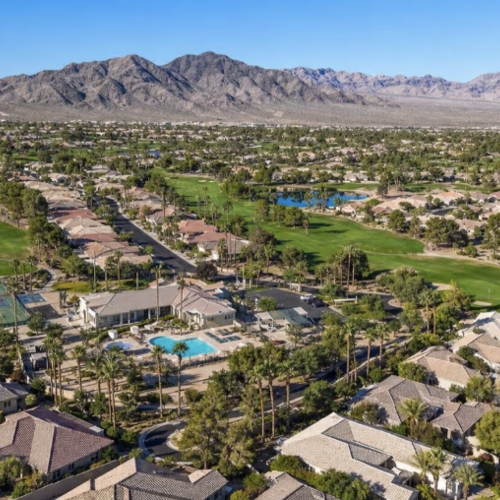
Rent varies depending on the neighborhood, property size, and amenities. Popular communities such as Summerlin, Henderson, and Centennial Hills often command higher prices due to their schools, parks, and newer developments.
Those purchasing a home will find a wide range of options, from affordable condominiums to luxury custom homes. Home values have appreciated steadily in recent years, making Las Vegas an appealing market for both homeowners and investors.
Utility Costs
Southern Nevada's desert climate means air conditioning is essential for much of the year.
Monthly utility expenses generally include:
- Electricity
- Water
- Natural gas
- Internet
- Trash and recycling
Electric bills typically increase during the summer months as temperatures regularly exceed 100°F. Many homeowners reduce energy costs by improving insulation, installing smart thermostats, and using energy-efficient appliances.
Transportation Costs
Las Vegas is largely a car-dependent city, although public transportation is available through RTC Southern Nevada.
Residents should budget for:
- Fuel
- Vehicle insurance
- Registration
- Maintenance
- Parking (when applicable)
Fortunately, most neighborhoods offer relatively short commute times compared to other major metropolitan areas.
Harry Reid International Airport also provides convenient domestic and international travel options.
Grocery and Everyday Expenses
Everyday living expenses are generally close to the national average.
Residents have access to numerous grocery chains, warehouse clubs, farmers markets, and specialty stores.
Typical monthly expenses include:
- Groceries
- Dining out
- Healthcare
- Entertainment
- Fitness memberships
- Household supplies
Las Vegas also offers dining options for nearly every budget, from casual local restaurants to award-winning fine dining.
Las Vegas vs. Other Western Cities
| City | Overall Cost of Living | Housing | State Income Tax |
|---|---|---|---|
| Las Vegas | Moderate | Moderate | None |
| Los Angeles | Very High | Very High | Yes |
| Phoenix | Moderate | Moderate | Yes |
| Salt Lake City | Moderate | Moderate | Yes |
| Denver | High | High | Yes |
One of Las Vegas' biggest financial advantages remains Nevada's lack of a state income tax, allowing many residents to keep more of their earnings.
Why So Many People Are Moving to Las Vegas
Las Vegas continues to attract new residents because of its combination of economic opportunity and lifestyle benefits.
Popular reasons include:
- No state income tax
- Growing job market
- Year-round sunshine
- Outdoor recreation
- Professional sports teams
- World-class dining and entertainment
- Modern master-planned communities
The city has expanded well beyond tourism, with strong growth in healthcare, logistics, technology, manufacturing, and professional services.
Serving the Las Vegas Community
At Las Vegas Office, we're proud to serve residents and businesses throughout Las Vegas and the surrounding communities. Whether you've recently relocated or have called Southern Nevada home for years, our team is committed to providing reliable service backed by local expertise.
Our knowledge of the area allows us to better understand the needs of our customers while delivering personalized solutions you can count on.
Frequently Asked Questions
Is Las Vegas expensive to live in?
Compared to many major U.S. cities, Las Vegas offers a moderate cost of living. Housing prices have risen in recent years, but residents benefit from no state income tax and relatively affordable everyday expenses compared to coastal markets.
What salary do you need to live comfortably in Las Vegas?
The ideal salary depends on your lifestyle, household size, and housing choices. Individuals with roommates or dual-income households typically find it easier to manage expenses, while families should also budget for childcare, healthcare, and transportation.
Are utilities expensive in Las Vegas?
Utility costs are generally reasonable throughout the year but increase during the summer because of air conditioning usage. Energy-efficient homes can significantly reduce monthly electricity bills.
Why are so many people moving to Las Vegas?
Many newcomers are attracted by Nevada's lack of state income tax, growing employment opportunities, relatively affordable housing compared to California, and abundant recreational activities.
Is Las Vegas cheaper than California?
Yes. In most cases, Las Vegas is considerably more affordable than major California cities, particularly when it comes to housing, taxes, and the overall cost of living.
Is Las Vegas a good place to raise a family?
Many families choose Las Vegas for its master-planned communities, parks, recreational programs, and expanding employment opportunities. Neighborhoods such as Summerlin, Henderson, and Centennial Hills are especially popular among families.
Check out this article next