



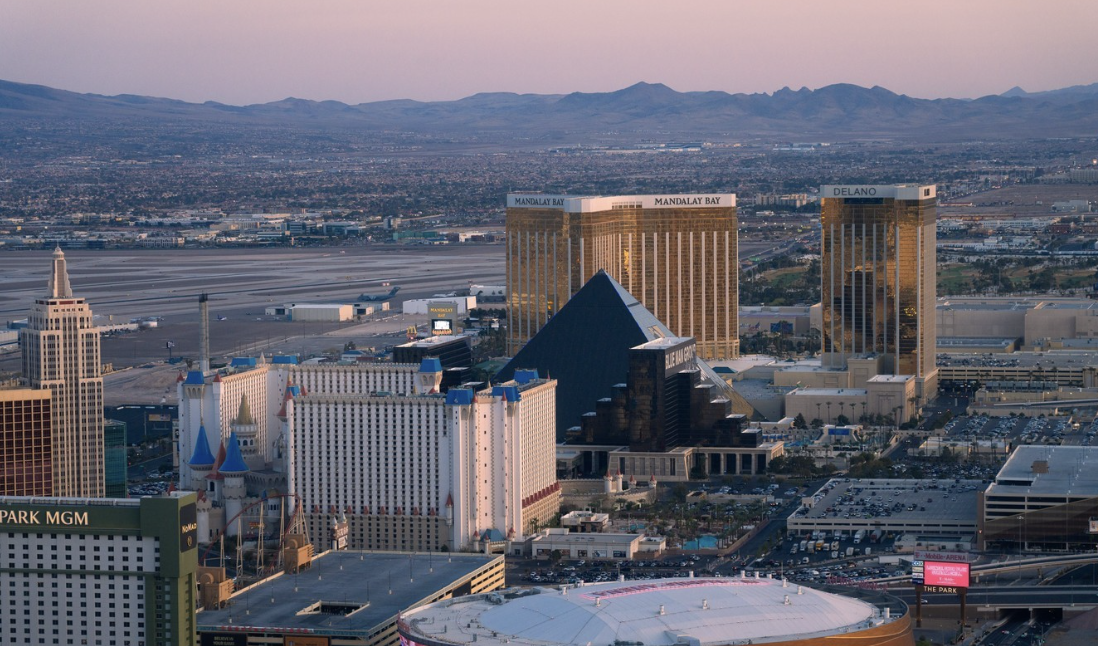
Las Vegas has become one of the most popular relocation destinations in the country. Every year, thousands of people move to Southern Nevada seeking sunshine, lower taxes, newer housing communities, and a more affordable lifestyle compared to many parts of California.
However, living in Las Vegas is very different from visiting Las Vegas.
Most people know the city for its world-famous casinos, entertainment, and nightlife. But daily life for local residents looks much different than what tourists experience on the Strip. The reality is that Las Vegas offers a diverse collection of suburban communities, outdoor recreation opportunities, and family-friendly neighborhoods that continue attracting buyers from across the country.
If you're considering a move, here are eight things nobody tells you about living in Las Vegas.
1. Most Locals Rarely Visit the Strip
One of the biggest surprises for people moving to Las Vegas is how little time many residents actually spend on the Strip. While millions of visitors come each year to experience the casinos, restaurants, and entertainment venues, most locals live their daily lives far away from the tourist corridor.
Communities like Summerlin, Henderson, Green Valley, Inspirada, and Centennial Hills feel much more like traditional suburban neighborhoods than the Las Vegas many people imagine. Residents spend their time at local parks, restaurants, schools, gyms, and community events rather than casino resorts.
Of course, having world-class entertainment nearby is still a major benefit. Locals can enjoy concerts, sporting events, and dining experiences without planning an expensive vacation. But after moving here, you'll quickly discover that Las Vegas is much more than the Strip.
Many newcomers are pleasantly surprised by how normal and community-oriented everyday life feels throughout Southern Nevada.
2. The Summer Heat Is No Joke
Most people know Las Vegas gets hot, but experiencing your first summer can still be eye-opening.
Temperatures regularly exceed 100 degrees during the summer months and often climb above 110 degrees. Afternoon outdoor activities become challenging during peak heat, and many residents shift their schedules to mornings and evenings.
The good news is that Las Vegas shares Arizona's dry climate, which many people find easier to tolerate than humid heat. Most homes, businesses, shopping centers, and vehicles are designed specifically for desert living and are equipped with powerful air conditioning systems.
New residents quickly adapt by staying hydrated, planning outdoor activities early in the day, and embracing pool season. While the heat can be intense, most locals agree that the beautiful fall, winter, and spring weather more than make up for a few hot months each year.
3. No State Income Tax Makes a Big Difference
One of Nevada's biggest financial advantages is its lack of state income tax.
For many people relocating from California, Illinois, New York, or other high-tax states, this can result in substantial long-term savings. Combined with relatively affordable housing and lower overall business costs, Nevada continues attracting both families and entrepreneurs.
Many homeowners find they can redirect money that would have gone toward state income taxes into savings, investments, travel, or homeownership goals. Business owners often appreciate Nevada's business-friendly environment as well.
While taxes should never be the only reason for relocating, they are certainly one of the factors driving continued population growth throughout Southern Nevada.
For many residents, the financial benefits become noticeable almost immediately after making the move.
4. The Food Scene Is Better Than You Think
Las Vegas has quietly become one of the best food cities in America.
While celebrity chef restaurants often receive most of the attention, locals know the city offers an incredible variety of dining options far beyond the casinos. From neighborhood Italian restaurants and family-owned Mexican eateries to upscale steakhouses and international cuisine, food lovers have endless choices.
The city's diverse population contributes to a wide range of authentic dining experiences throughout the valley. New restaurants continue opening every year as the population grows and expands into new communities.
Many newcomers are surprised to discover that some of their favorite restaurants end up being nowhere near the Strip. Exploring local dining has become one of the best parts of living in Las Vegas for many residents.
5. Outdoor Recreation Is Everywhere
People who have never lived in Nevada often assume Las Vegas is all casinos and desert.
In reality, outdoor recreation is one of the area's biggest lifestyle advantages.
Residents enjoy easy access to Red Rock Canyon, Lake Mead, Mount Charleston, Valley of Fire, and countless hiking and biking trails throughout Southern Nevada. Weekend adventures are often just a short drive away.
One of the most surprising discoveries for newcomers is Mount Charleston. Located less than an hour from Las Vegas, the area offers cooler temperatures, forests, hiking trails, and even seasonal snowfall.
For active individuals and families, Las Vegas provides much more outdoor opportunity than many people expect.
6. Water Conservation Is Part of Everyday Life
Living in the desert means water conservation is taken seriously.
Many communities feature desert landscaping instead of traditional grass lawns. Homeowners often utilize drip irrigation systems, drought-tolerant plants, and water-efficient landscaping techniques designed specifically for the local climate.
For newcomers arriving from greener parts of the country, the landscaping may initially feel different. However, many residents grow to appreciate the beauty and practicality of desert design.
Southern Nevada has become a national leader in water conservation efforts, helping support continued growth despite the region's arid environment.
Understanding these conservation practices is simply part of becoming a local.
7. Las Vegas Keeps Growing
Growth is happening everywhere throughout the valley.
New housing developments, shopping centers, schools, medical facilities, and infrastructure projects continue expanding into previously undeveloped areas. Communities like Summerlin and Inspirada continue adding new neighborhoods and amenities every year.
This growth creates opportunities for homebuyers, investors, and businesses while also contributing to long-term demand in the housing market.
New residents often appreciate the modern feel of many communities, especially compared to older housing stock found in some other metropolitan areas.
Las Vegas remains one of the fastest-growing regions in the United States, and that growth shows no signs of slowing anytime soon.
8. You'll Meet People From Everywhere
Las Vegas is truly a city of transplants.
People relocate here from California, Texas, Illinois, Washington, New York, and nearly every other state. As a result, newcomers often find it easy to build friendships and connect with others who have recently moved to the area.
The diversity of backgrounds and experiences creates a welcoming atmosphere throughout the valley. Many residents understand exactly what it's like to relocate because they've done it themselves.
Whether you're moving for work, retirement, investment opportunities, or a lifestyle change, you'll likely find many others who have made a similar journey.
That sense of shared experience often makes settling into Las Vegas easier than expected.
Frequently Asked Questions About Living in Las Vegas
Is Las Vegas a good place to live full-time?
Absolutely. While many people associate Las Vegas with tourism, most residents live in suburban communities that offer parks, schools, shopping centers, and a strong sense of community. Daily life feels much different than what visitors experience on vacation.
Is Las Vegas cheaper than California?
In most cases, yes. Housing costs are generally lower than many California markets, and Nevada's lack of state income tax can provide significant financial savings over time.
What are the best neighborhoods in Las Vegas?
Summerlin, Henderson, Green Valley, Inspirada, and Centennial Hills remain among the most popular communities due to their amenities, schools, parks, and overall quality of life.
How hot does Las Vegas get during the summer?
Summer temperatures frequently exceed 100 degrees and can often reach 110 degrees or higher. Most residents adjust by planning outdoor activities during the cooler morning and evening hours.
Does Las Vegas have a strong job market?
Yes. While tourism remains important, the local economy continues diversifying into healthcare, logistics, technology, education, and professional services.
Is Las Vegas a good place to retire?
Many retirees choose Las Vegas because of the warm climate, tax advantages, golf communities, and relatively affordable housing options compared to coastal markets.
How close is outdoor recreation?
Some of Nevada's most popular outdoor destinations are within an hour of the city, including Red Rock Canyon, Mount Charleston, Valley of Fire, and Lake Mead.
Why are so many Californians moving to Las Vegas?
Many buyers are seeking lower housing costs, no state income tax, more space, and a lower overall cost of living while remaining relatively close to Southern California.
Check out this article next