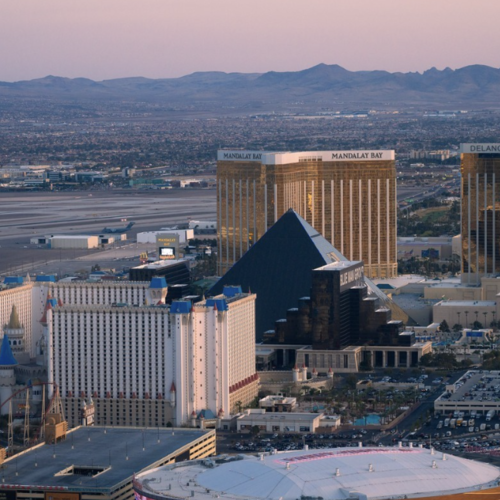



If you're planning a move to Las Vegas, you've probably noticed one thing right away—Nevada has no state income tax. Combine that with relatively affordable housing compared to many California markets, and it's easy to see why thousands of people relocate to Southern Nevada every year.
But while Las Vegas can be a smart financial move, many buyers discover there are expenses that don't appear in online affordability calculators.
From HOA fees and rising homeowners insurance to utility costs and special improvement districts, understanding the true cost of living can help you avoid expensive surprises after closing.
Before buying a home in Las Vegas, here are the hidden costs every buyer should know.
1. Master-Planned Communities Often Have HOA Fees
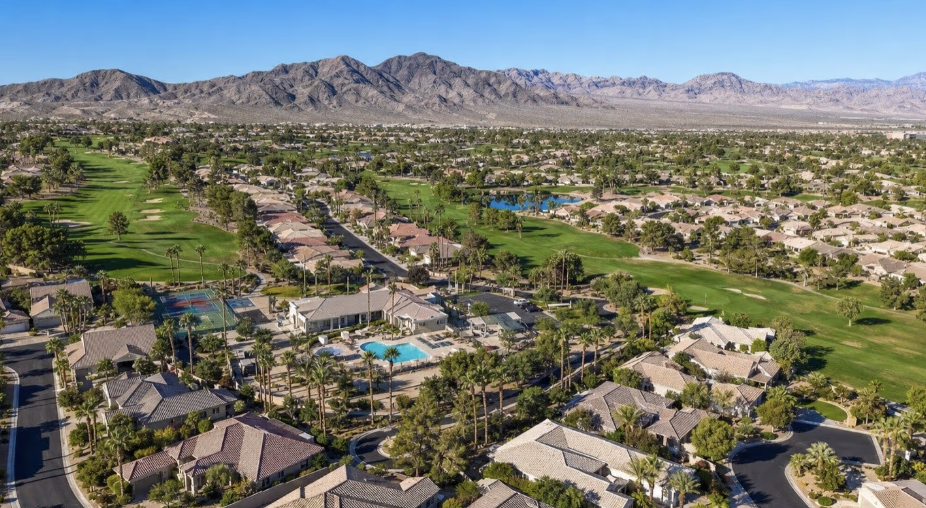
Some of the most desirable neighborhoods in Las Vegas—including Summerlin, Inspirada, Skye Canyon, and Cadence—feature beautifully maintained parks, walking trails, community pools, and recreational amenities.
Those features come at a price.
Many communities charge monthly HOA dues, and some neighborhoods have both a master association and a sub-association, meaning homeowners pay two separate HOA fees.
Before making an offer, ask for:
- Monthly HOA dues
- Community rules and restrictions
- Reserve fund information
- Any upcoming special assessments
A lower purchase price doesn't always mean a lower monthly payment.
2. Utility Bills Can Be Higher Than You Expect
Las Vegas summers are intense.
From June through September, temperatures frequently exceed 110°F, meaning your air conditioning system works almost continuously.
Electric bills often become the largest monthly utility expense for homeowners.
Energy-efficient homes with newer HVAC systems, quality insulation, and dual-pane windows can significantly reduce cooling costs compared to older properties.
3. Water Isn't Cheap in the Desert
Southern Nevada depends heavily on Lake Mead and has implemented strict water conservation programs.
While water rates remain reasonable for many households, larger lots, pools, and traditional landscaping can noticeably increase monthly bills.
Many newer communities utilize desert landscaping to reduce both water usage and maintenance costs.
4. Homeowners Insurance Costs Continue to Rise
Insurance premiums have increased across the country, and Las Vegas is no exception.
Several factors affect your premium, including:
- Home age
- Roof condition
- Square footage
- Pool ownership
- Replacement costs
- Claims history
Obtaining insurance quotes before your inspection period ends can help you accurately estimate your monthly housing expenses.
5. Pool Ownership Comes With Ongoing Expenses
A backyard pool is one of the biggest reasons many buyers fall in love with Las Vegas homes.
However, pools require regular maintenance throughout the year.
Typical ownership costs include:
- Weekly cleaning
- Chemicals
- Equipment repairs
- Higher electricity usage
- Additional water consumption
While pools add tremendous lifestyle value, they should also be part of your long-term budget.
6. SID and LID Assessments Can Increase Your Payment
One expense many out-of-state buyers have never heard of is Special Improvement District (SID) or Local Improvement District (LID) assessments.
These assessments help pay for infrastructure improvements like:
- Roads
- Utilities
- Street lighting
- Public improvements
Not every neighborhood has these assessments, but buyers should verify whether a property carries one before purchasing.
7. Commuting Costs Depend on Where You Live
Las Vegas continues expanding in every direction.
Living farther from employment centers may reduce your purchase price, but it can increase:
- Fuel costs
- Vehicle maintenance
- Time spent commuting
Communities such as Summerlin, Henderson, and Northwest Las Vegas each offer different commute experiences depending on where you work.
Choosing the right location can save both time and money.
8. Landscaping Still Requires Maintenance
Desert landscaping is often lower maintenance than grass, but it isn't maintenance-free.
Homeowners should budget for:
- Irrigation repairs
- Weed control
- Tree trimming
- Gravel replacement
- Seasonal cleanup
Luxury homes with larger outdoor spaces naturally require additional upkeep.
9. Closing Costs and Moving Expenses Add Up Quickly
Many buyers budget for their down payment but underestimate the additional costs involved with relocating.
These expenses may include:
- Home inspection
- Appraisal
- Escrow fees
- Utility setup
- Professional movers
- Window coverings
- Appliances
- Furniture
Planning ahead helps reduce financial surprises after closing.
10. Choosing the Wrong Neighborhood Can Cost You More Than Money
Not every part of Las Vegas offers the same lifestyle.
Some neighborhoods prioritize walkability and family amenities, while others focus on luxury living, golf, or active adult communities.
Buying solely based on price can lead to:
- Longer commutes
- Higher monthly fees
- Less resale demand
- A lifestyle that doesn't fit your needs
Understanding each area's long-term development plans, schools, shopping, and future growth is just as important as choosing the right home.
Is Las Vegas Still Affordable?
For many buyers, absolutely.
Compared to coastal California markets, Las Vegas still offers:
- No state income tax
- Relatively affordable housing
- Strong job growth
- New master-planned communities
- Outdoor recreation
- Entertainment and dining options year-round
The key is looking beyond the listing price and evaluating the total monthly cost of homeownership.
Final Thoughts
Las Vegas continues to attract buyers from across the country for good reason. The combination of tax advantages, newer housing, and a growing economy makes it one of the Southwest's most attractive relocation destinations.
But smart buyers understand that every market has hidden costs.
Before purchasing a home, make sure you understand HOA fees, utility costs, improvement district assessments, insurance premiums, and commuting expenses so you can choose a home that truly fits your budget and lifestyle.
Frequently Asked Questions
Is living in Las Vegas really cheaper than California?
For many buyers, yes. Housing costs are often lower, and Nevada has no state income tax. However, buyers should still budget for HOA fees, utilities, insurance, and other ownership costs.
Do all Las Vegas neighborhoods have HOA fees?
No. Many newer master-planned communities have HOAs, while some older neighborhoods may have lower fees or none at all.
What are SID and LID assessments?
These are special assessments used to pay for infrastructure improvements such as roads, utilities, and public facilities. They don't apply to every property, so it's important to verify before buying.
Are electric bills expensive in Las Vegas?
Summer cooling costs can be significant due to extreme heat. Energy-efficient homes generally have lower monthly utility bills.
Is owning a pool worth it in Las Vegas?
Many homeowners enjoy having a pool, but it's important to budget for cleaning, maintenance, repairs, water use, and increased electricity costs.
What's the biggest hidden cost when buying a home in Las Vegas?
For many buyers, it's the combination of HOA fees, utility bills, insurance, and special assessments that increases the true monthly cost of ownership beyond the mortgage payment.
Check out this article next